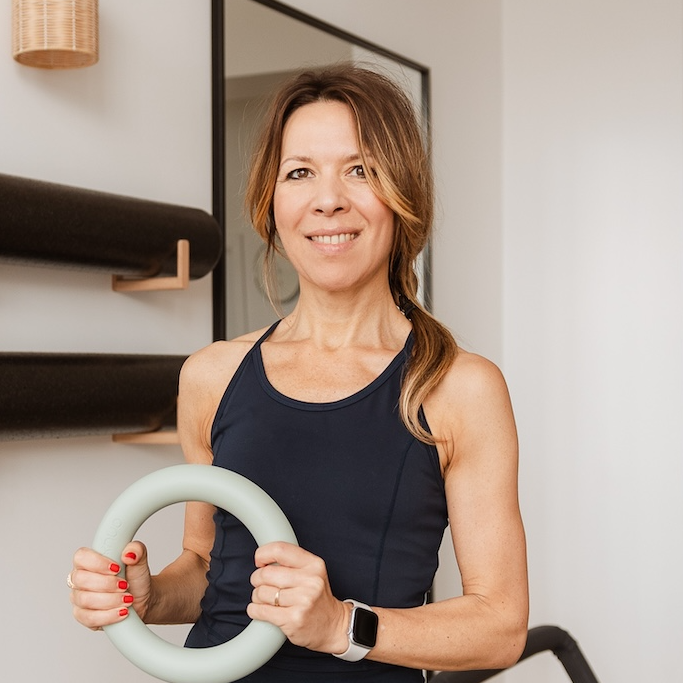
I’m in my late 40s (and I’ve got one more year before I can put a 5 in front of the 0). I’ve always been active and sporty, so I genuinely thought I knew my body. But once I crossed 43, things began to change, not dramatically and not overnight, just quietly. I started feeling more tired than I should. Recovery took longer. What used to feel effortless suddenly needed planning. Over time, my training naturally shifted too: I moved from marathon running to focusing far more on strength training, because I realised I can’t train like my 30-year-old self anymore. And honestly, that isn’t a bad thing. It’s simply a new chapter, with a new strategy.
Most people know me as a Pilates instructor, but I’m also a yoga teacher and, in my earlier years, I taught spin and other fitness classes. Movement has always been a big part of my life. With my background in psychology, I’ve also developed a strong interest in holistic health, the whole picture of how we function: our body, stress levels, habits, mindset, sleep, and the lifestyle choices that can either support us or slowly drain us.
Over the last 10 years I’ve worked with many clients, mostly women, and I’ve seen something very clearly: women’s bodies need a different approach, especially once we enter the hormonal transition. I’ve watched women transform not just physically, but mentally and emotionally too; more energy, better mood, better sleep, less anxiety, and a stronger sense of confidence. What surprised me most is how quickly the body can respond when you give it what it actually needs. I’m experiencing that now myself, and it’s been genuinely amazing to observe the energy I’ve regained through the changes I’ve made. It’s one of the reasons I’m so motivated to share this.
To deepen my knowledge, I completed a Menopause Course focused on lifestyle changes. It covers the science of menopause, medical interventions such as Hormone Replacement Therapy (HRT), non-hormonal options, how to train through menopause if you want to stay active for life, nutrition for menopausal women, and how to plan and implement changes in a realistic way. That education helped me support women more closely and more confidently during what can be a confusing and difficult transition.
Perimenopause is the phase before menopause, and it can begin earlier than many women expect – often in mid to late 30s and we don’t even notice it until our early 40s! During this time, estrogen and progesterone start to fluctuate and gradually decline. These hormones don’t only affect your cycle. They influence how you recover, how your body uses energy, how you build and maintain muscle, how your bones stay strong, and even how your nervous system handles stress. This is why so many women notice that fatigue creeps in, sleep becomes lighter, moods can feel less stable, anxiety can rise, and body composition can shift even when routines stay the same. It’s not because you’re suddenly doing everything wrong, it’s because the rules are changing.
That’s also why the sooner you start supporting your body, the better. You don’t need to wait until you feel “bad enough” to make changes. Small shifts done early make everything easier later. And in this stage of life, consistency matters far more than intensity. What you do most weeks will always beat what you do perfectly once in a while.
I love Pilates and I truly believe it’s one of the best practices you can do for your body for the rest of your life. It’s brilliant for posture and alignment, core strength, mobility and control. It’s a mindful workout that helps you reconnect with your body, and it’s one of the best tools for injury prevention and nervous system regulation. But here’s the honest truth: Pilates alone is usually not enough if your goal is longevity, improving body composition, protecting muscle mass, and supporting your metabolism, especially in your 40s and beyond. At this stage, your body often needs a stronger stimulus to create the change you’re looking for.
That’s why weight-bearing exercise and strength training become so important. Strength work helps you maintain muscle mass (which supports your metabolism and overall function), protects bone density as oestrogen declines, improves blood sugar control, and can be incredibly powerful for confidence, mood, and anxiety. You don’t need to become a “gym person” to benefit…
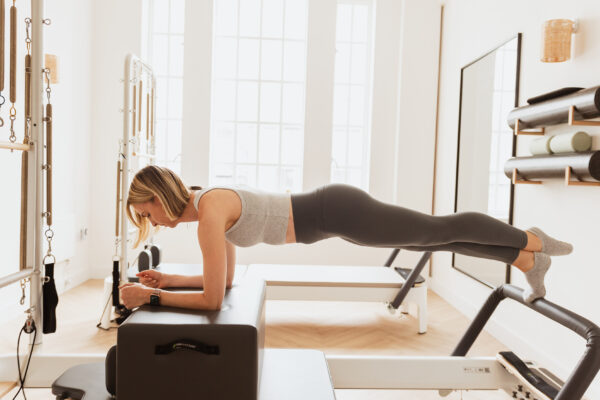
We’re also very lucky in our studio because we use Onyx equipment, which makes it much easier to introduce strength and weight-bearing work in a safe, supportive way. That means we can tailor your Pilates sessions to include the kind of training your body needs now, especially if hormonal changes are starting to affect your energy, recovery, and body composition. Pilates combined with the right strength work is a powerful, sustainable approach for women in midlife.
If you feel like your body is changing, you are losing your control over it, and you’re not sure what to do next, I run a consultation program where we look at your lifestyle and redesign it so it works for you, not against you. We go through your movement routine, recovery, stress, sleep, and nutrition basics, and we build a realistic plan you can actually stick to. The goal isn’t to fight your body -it’s to learn how to support it through this transition and come out feeling stronger, clearer, and more energised.
If you’re interested in more tips and recommendation, you can visit @movewithagi. To book and arrange your consultation, please get in touch with RE:FORM Pilates Studio.
Agata